


The old saying goes that the presidential campaign begins once the midterms campaign ends. But for the party in the minority, presidential candidates serve as a pre-season for the presidential primary.
You can likely tell whether someone is serious when they campaign in an early contest state, whether they cut a campaign ad or drop some serious contributions to swing district or swing-state candidates. The last is perhaps one of the biggest flexes. In the neverending campaign cycle, sending cash can turn into a debt the recipient owes in the shape of a future endorsement.
Last week, campaigns, political action committees and super PACs released their fundraising numbers to the Federal Election Commission. And it shows some potential tea leaves into what kind of campaign each candidate might run.
JB Pritzker’s billionaire battering ram
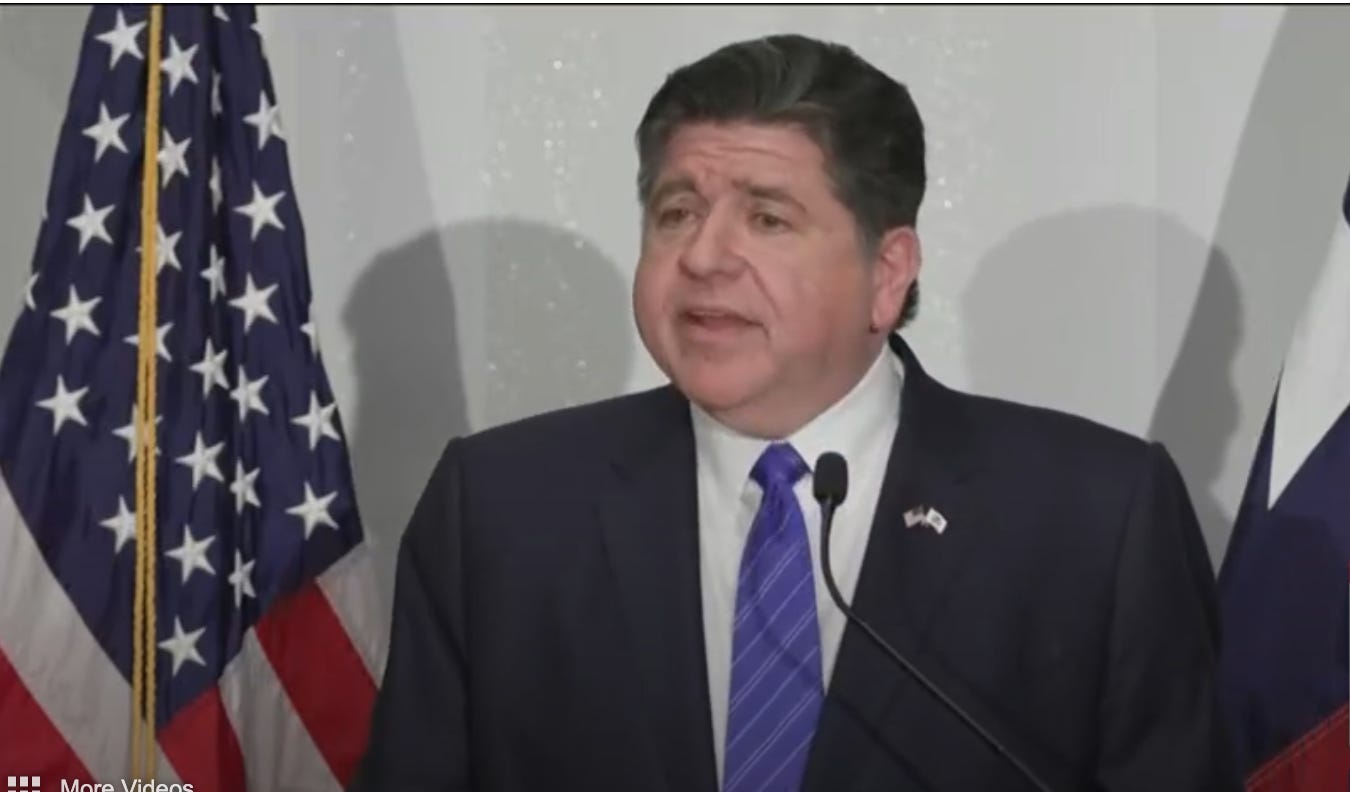
It’s good to be a billionaire aspiring presidential candidate. Illinois Gov. JB Pritzker is still dodging questions about whether he will seek the White House. But the venture capitalist who grew the wealth he inherited from his father as part of the Hyatt Hotels Corporation has been unafraid of throwing cash around.
Much of Pritzker’s spending came in the form of his Ready for the Fight PAC. The PAC spent nearly $3.6 million in independent expenditures to oppose Rep. Max Miller in Ohio’s 7th district. Allegations of domestic violence against his ex-spouse, which Miller denies, have made Miller especially vulnerable. Pritzker also threw his billions to oppose Republican incumbents and challengers in Arkansas’s 2nd District, Michigan’s 10th district, Virginia’s 1st District, Alabama’s 2nd District, Tennessee’s 9th District, Texas’s 23rd District, New Mexico’s 2nd District, South Carolina’s 1st District and New Hampshire’s 1st District.
But Pritzker has also used his personal checkbook to help Democrats. He contributed $100,000 to Lone Star Rising, the super PAC supporting Texas Democratic Senate nominee James Talarico.
AOC’s progressive investment
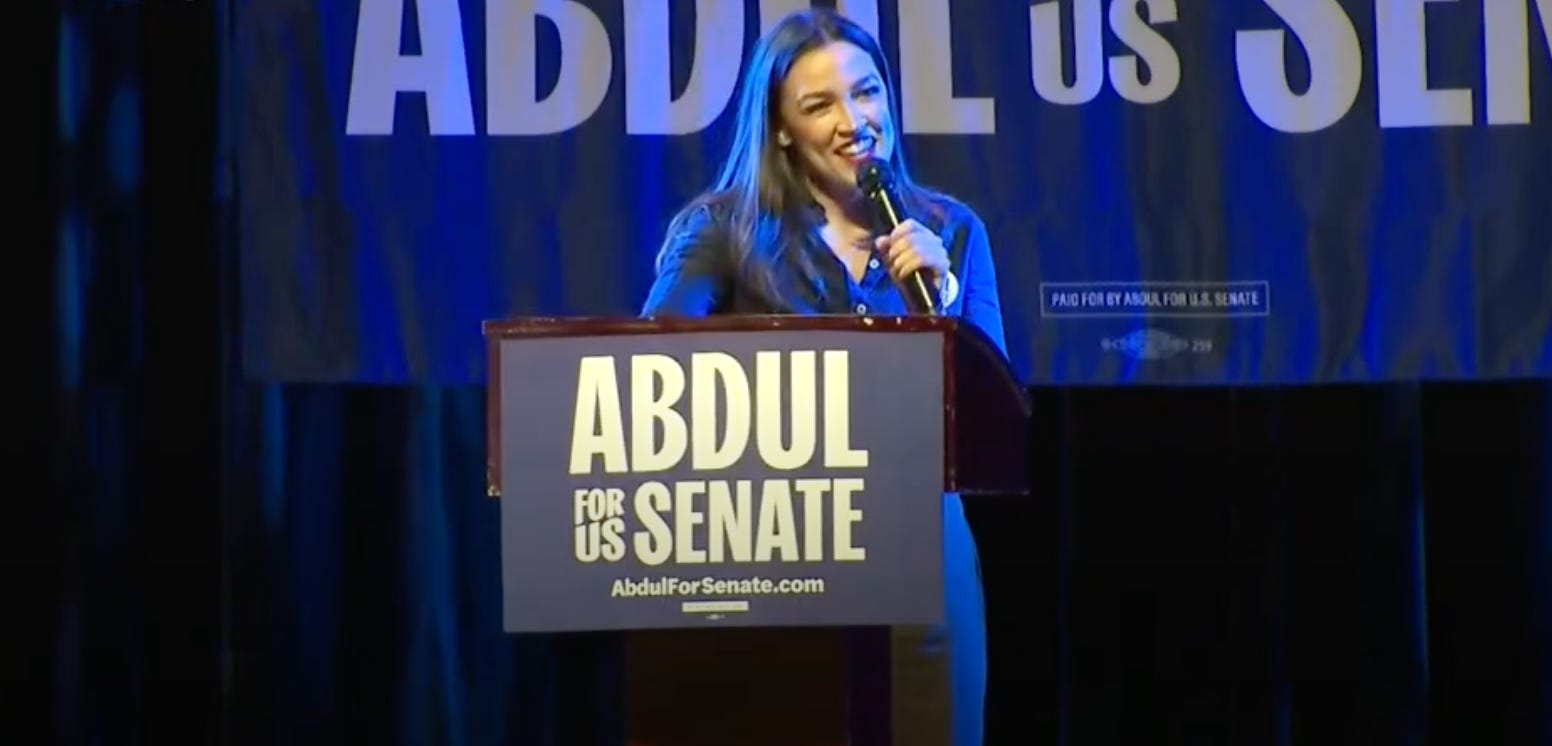
Rep. Alexandria Ocasio-Cortez (D-N.Y.) has yet to say whether she will seek the presidency, run for Senate Minority Leader Chuck Schumer’s seat or stay in the House and lead a new coterie of progressives in the Democratic caucus.
But she remains a polarizing figure. She contributed $2,000 to the victory fund for Sam Forstag, who is running in Montana’s 1st district. Ocasio-Cortez campaigned for him in the primary, but Republicans hit Forstag for removing Ocasio-Cortez’s endorsement on his website.
“And yet he’s acting like he never met the girl,” his Republican opponent Aaron Flint wrote on X when The Political Spectrum posted about the contribution.


Elsewhere, Ocasio-Cortez is trying to build progressive strength in the Senate. She visited Michigan and announced she would transfer $1 million to help Democratic Senate nominee Abdul El-Sayed. Michigan will now go fourth in the Democratic primaries and Ocasio-Cortez made an argument for why it’s important for him to win.
“Once you elect one person like that, people will then catch on, and we will start electing more people like that again,” she said in Escanaba.
She also contributed $2,000 to Angie Nixon, the Democratic nominee for Senate in Florida who is also a democratic socialist. But Nixon remains a long shot in heavily Republican Florida. Ocasio-Cortez also threw $2,000 to Justin Pearson, who faces a tough race in Tennessee’s 9th district after Republicans broke up the district after the Supreme Court’s Louisiana v. Callais decision.
Mark Kelly’s money bomb
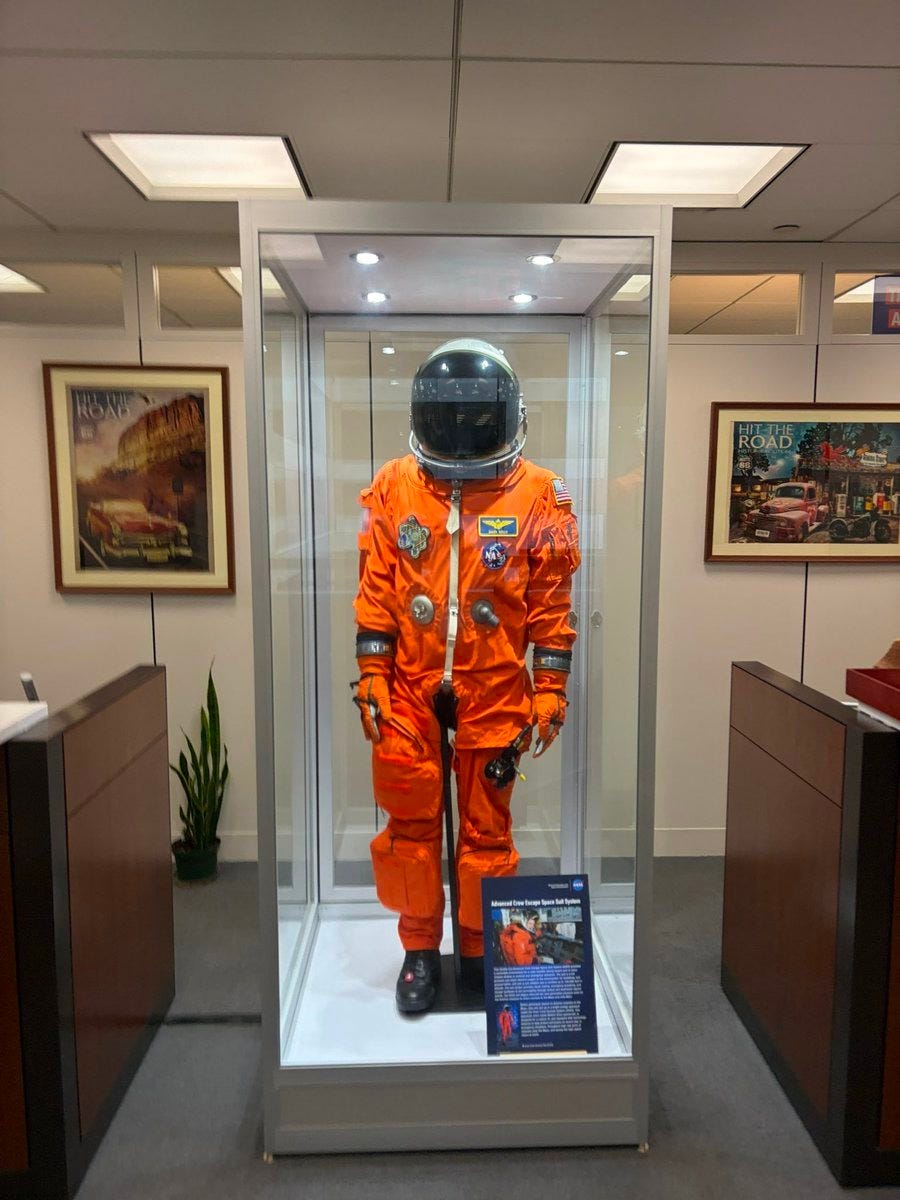
In 2022, Sen. Mark Kelly (D-Ariz.) became a monster fundraiser as he ran for a full six-year term to his Senate seat. But ever since Defense Secretary Pete Hegseth and President Donald Trump targeted him after he put out a video saying that U.S. servicemembers can refuse illegal orders, he amassed a massive war chest.
Kelly, a former astronaut, has mostly dropped cash using his Liftoff PAC. He’s given to the campaigns or victory funds of almost every major Senate candidate this cycle, including Talarico, Iowa Senate nominee Josh Turek, Peggy Flanagan in Minnesota, El-Sayed in Michigan, Nixon in Florida, Adam Hamilton in Kansas and Annie Andrews in South Carolina. He’s also donated significantly to House Democratic candidates in Arizona as well as many swing districts across the nation.
Harris and Newsom keep their powder dry
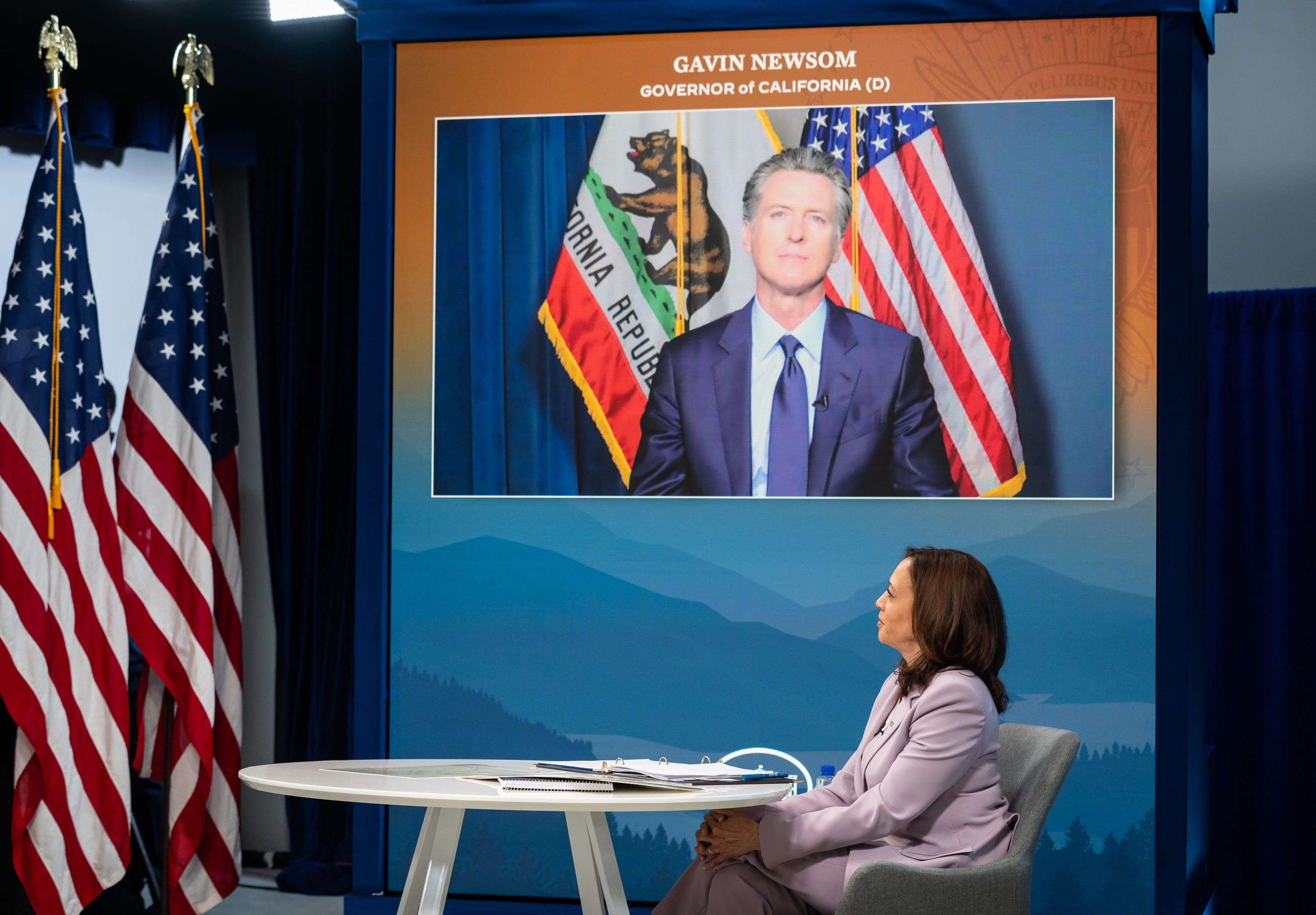
California Gov. Gavin Newsom and former Vice President Kamala Harris have loomed over the soft primary. As the most recent Democratic presidential nominee, Harris remains the presumptive frontrunner in the primary. A victory will come down to whether she can consolidate support among Black voters in South Carolina.
Gavin Newsom gained plenty of steam in 2025, but seems to have sputtered lately. Still, over the weekend, he traveled to New Hampshire. Scrolling through his Campaign for Democracy Committee disbursements from the past quarter show Newsom has not given directly to candidates. But Newsom made his presence known when Politico reported that he raised $75,000 for Gina Hinojosa, the Democratic nominee for governor in Texas, through a single campaign fundraising email. If Hinojosa pulls off a surprise victory against Greg Abbott, Newsom will be able to say he played no small role.
Harris’s PAC has spent about $91,000 on text message outreach rather than contributing to any particular candidate. She and Newsom share many of the same consultants and vendors, according to their filings.
Of course, all of this is preliminary, and some candidates have yet to make their official moves known. Still, early money can easily become an early investment chit that could pay off. Just as politicians show interest based on where they visit, watch where they spend.
That’s it for today’s edition of The Political Spectrum. If you liked what you read, hit subscribe below.
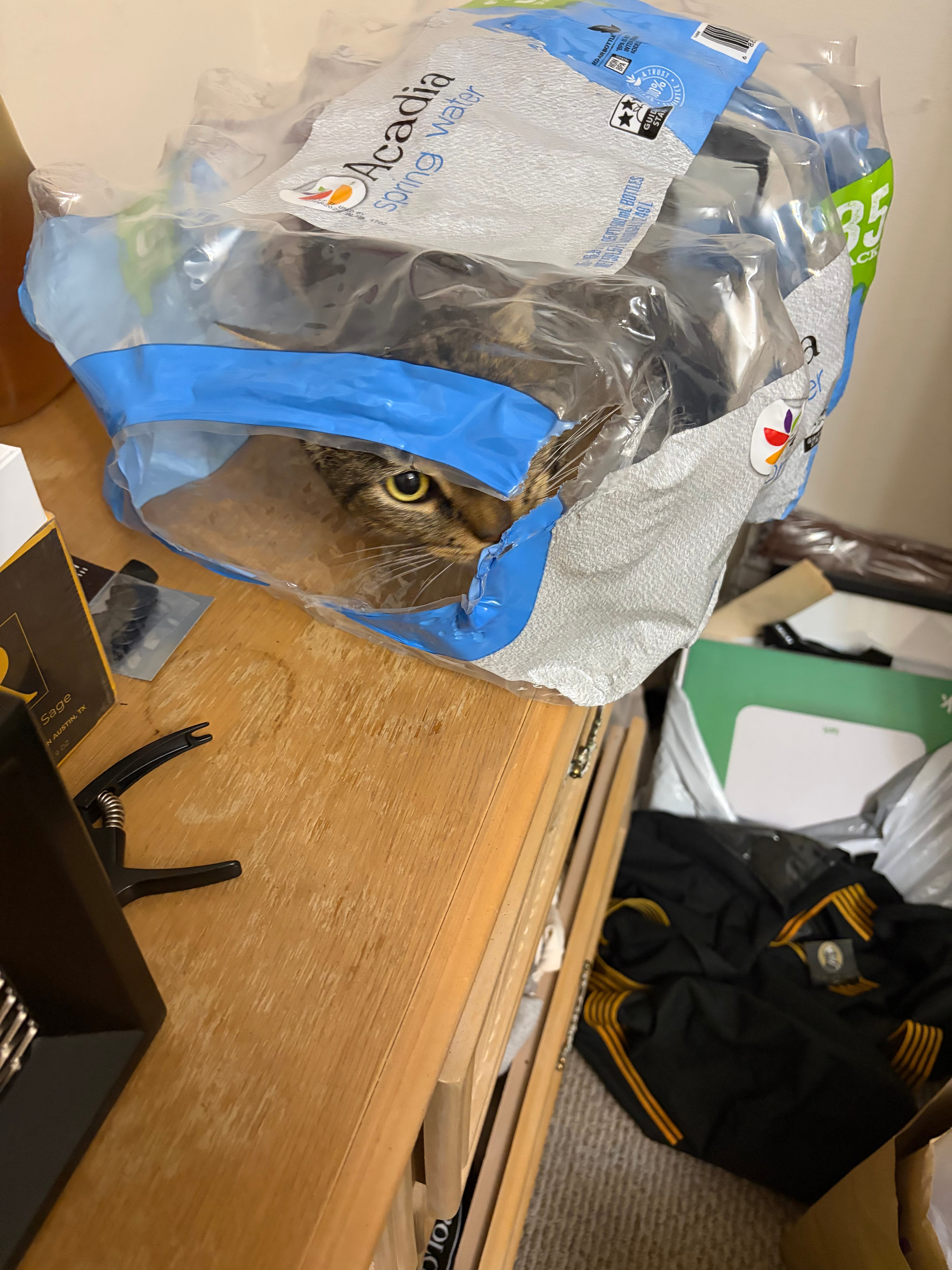
If you stayed long enough, here’s your Bam Bam reward.
So what of Beshear? He’s talked up as a potential but I don’t hear much from him about the election.