

Welcome back to The Political Spectrum! A quick update: after our announcement about the next steps for this newsletter, we gained 20 new free subscribers and nine paid subscribers. I am in awe. So once again, thank you. This is the ultimate vote of faith. And as I said in the announcement, I want this newsletter to offer comprehensive disability policy alongside regular political coverage. With that, let’s get to work.
Some other updates: As a part of my hustle to make additional money, I will contribute video clips to Raw America and occasional posts on their Substack. Will keep you posted.
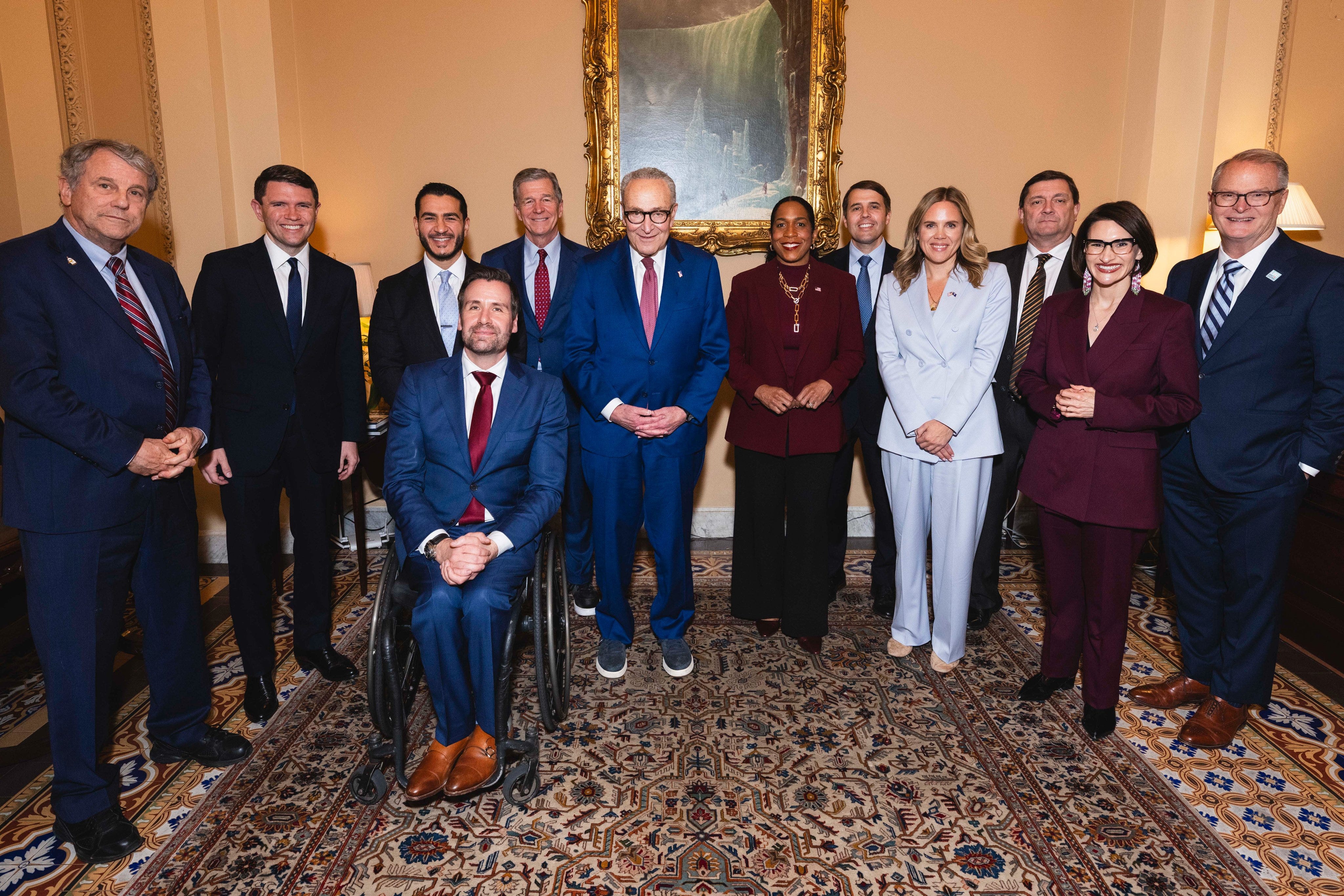
Freshman orientation is already underway in Washington. Newly-elected Senators came to Capitol Hill this week learn the job. The Political Spectrum is working on getting facetime with each of them in hopes of building a relationship.
A handful of races have yet to be called, most notably the Mississippi race between Republican incumbent Sen. Cindy Hyde Smith and Democrat Scott Colom and the race between Republican incumbent Sen. Dan Sullivan of Alaska and former Democratic Rep. Mary Peltola. Yes, I’m also a sicko waiting on all of the ballot drops like the rest of you.
With more than 250 seats in the House and currently 54 seats in the Senate, Democrats have spoken heavily about accountability. This includes disability policy.
In July, the Department of Justice’s Office of Legal Counsel released a memo saying that the 1999 Olmstead v. LC ruling by the Supreme Court did not “require states to treat mentally disabled patients in the most integrated setting appropriate to their needs.”
This is not the only area where the Trump administration has rolled back protections for people with disabilities. In July of last year, the Trump administration withdrew a notice on proposed rulemaking the Biden administration issued during its final days that would phase out 14(c) certificates, which allow businesses to pay people with disabilities below the minimum wage. In August, the Department of Labor withdrew a 2013 rule that required that 7 percent of workers at companies that have contracts with the federal government.
But a host of the freshmen Democratic senators have at least a passing understanding on disability rights. Here are some of the Democratic freshmen who have focused on disability rights in the past.

James Talarico (D-Texas)
No Senate candidate received more attention this cycle than James Talarico, the first Democrat elected to be Senate from Texas since 1988. Prior to his election, Talarico served in the Texas House of Representatives. There, he voted for legislation that would require community rehabilitation programs that participate in the state’s Purchasing from People with Disabilities to pay at least the minimum wage. Gov. Greg Abbott, who is his himself disabled, signed the bill.
A former sixth-grade school teacher in San Antonio, Talarico criticized Abbott’s school voucher plan, saying how private schools do not have to provide transportation or special education services.
Josh Turek (D-Iowa)
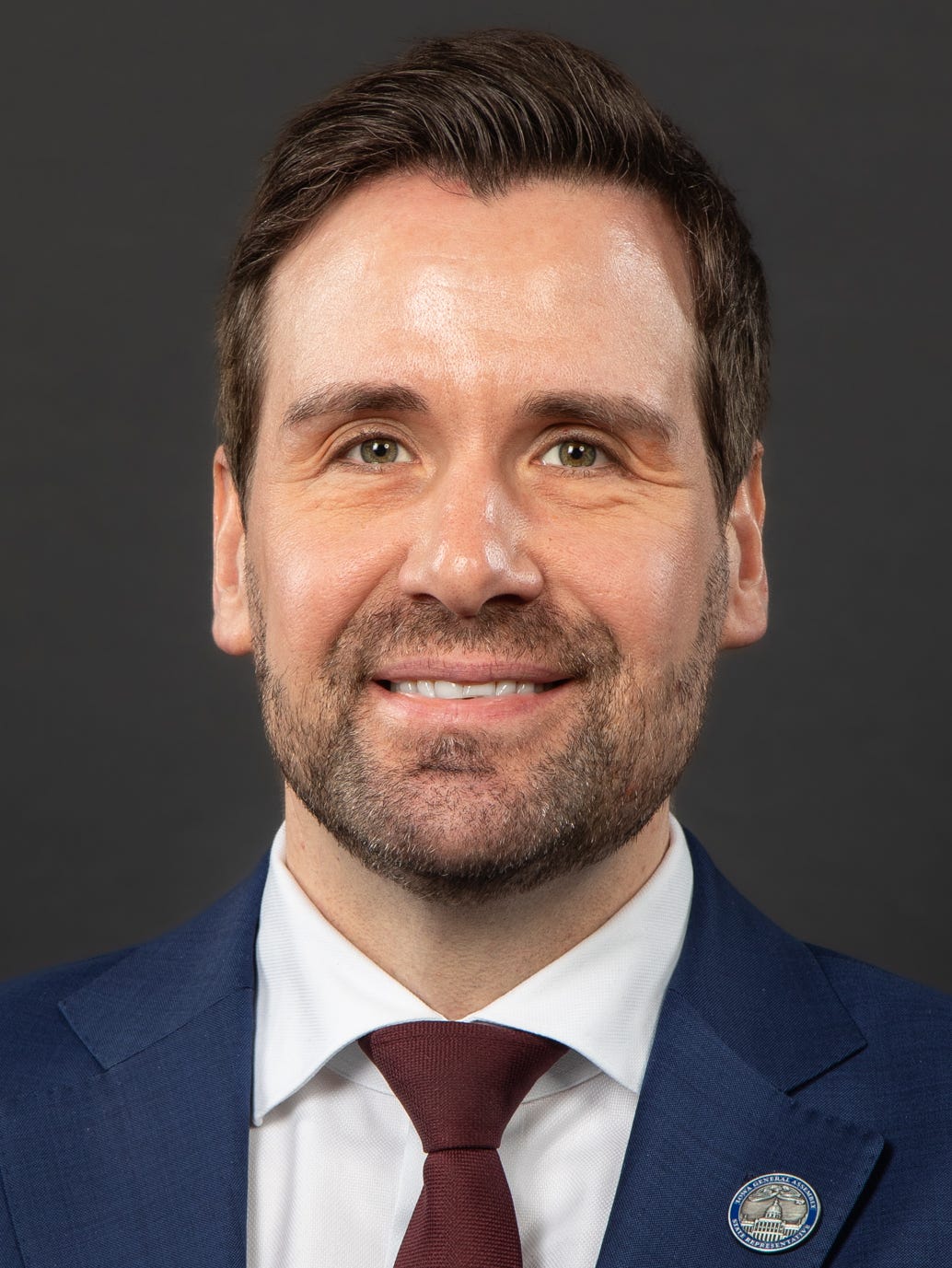
Sen.-elect Josh Turek is perhaps the most known disability rights advocate of any of the new senators. Turek was born with spina bifida after his father was exposed to Agent Orange during his military service the Vietnam War. A two-time Paralympian gold medalist, Turek made his disability a major part of his campaign. He earned the endorsement of Sen. Tom Harkin, Iowa’s most Democratic senator and one of the authors of the Americans with Disabilities Act. Turek served in the Iowa legislature and represented a district that voted for Trump.
I interviewed Turek in February for The Independent, where he said he wanted to eliminate subminimum wage labor for people with disabilities.
Sen. Sherrod Brown (D-Ohio)
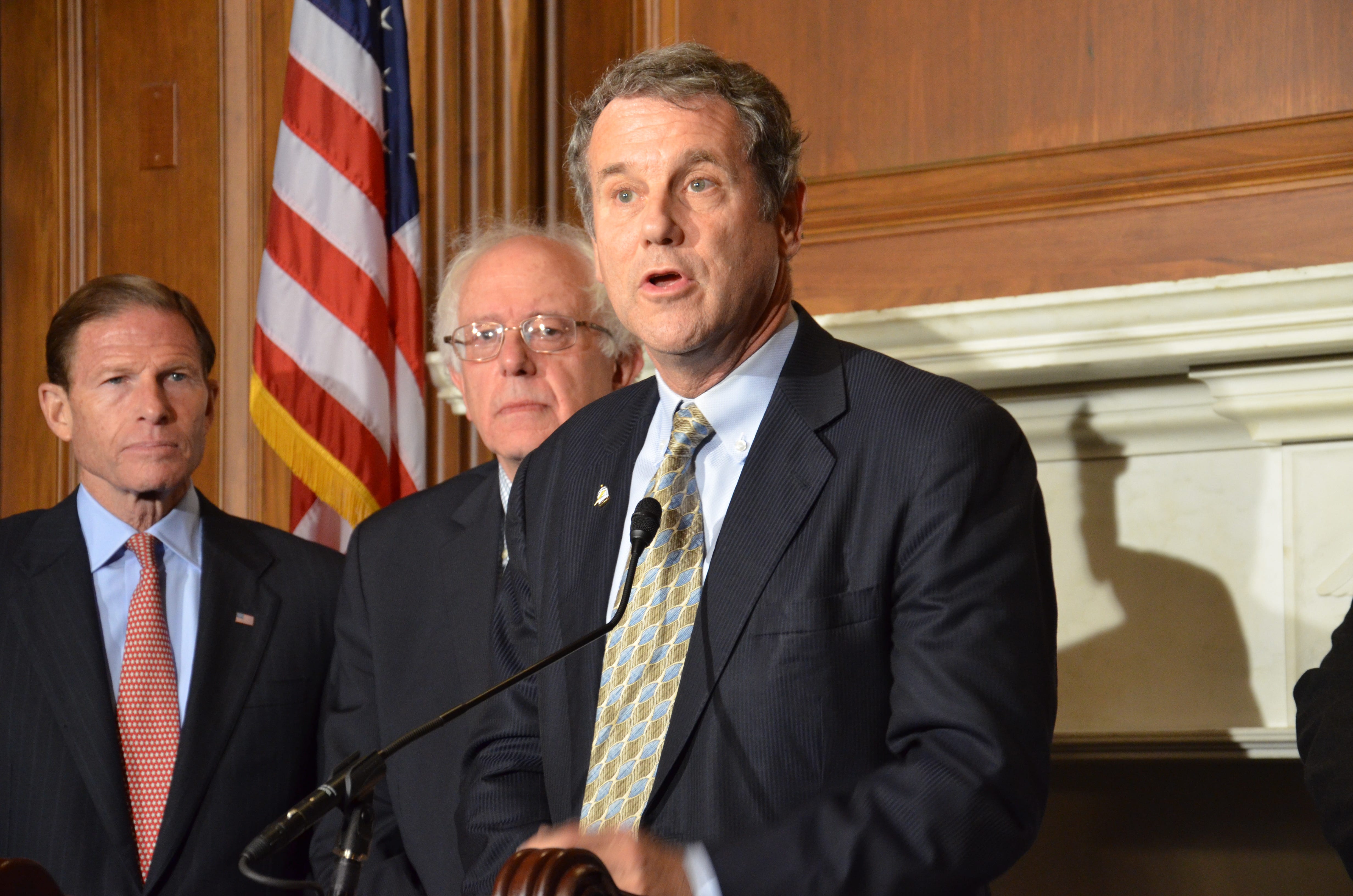
Sen. Sherrod Brown’s defeat, along with the defeat of Democratic Sen. Bob Casey in Pennsylvania, in 2024 meant the Senate lost two of its biggest advocates for people with disabilities. But last week, Brown won a special elected where he defeated Republican Sen. Jon Husted to finish out the remainder of Vice President JD Vance’s unexpired term in the Senate.
Brown had a clear record on disability when he served from 2007 to 2025. As the chairman of the Senate Finance Committee’s Subcommittee on Social Security, Pensions, and Family Policy, he convened the first hearing on Supplemental Security since 1998. Under SSI, people with disabilities cannot have more than $2,000 in their bank account and risk losing their benefits if they get married. Married couples can only have $3,000 in their account. Brown introduced legislation in 2023 to raise the asset limit to $10,000 and $20,000 for married couples.
Roy Cooper (D-N.C.)
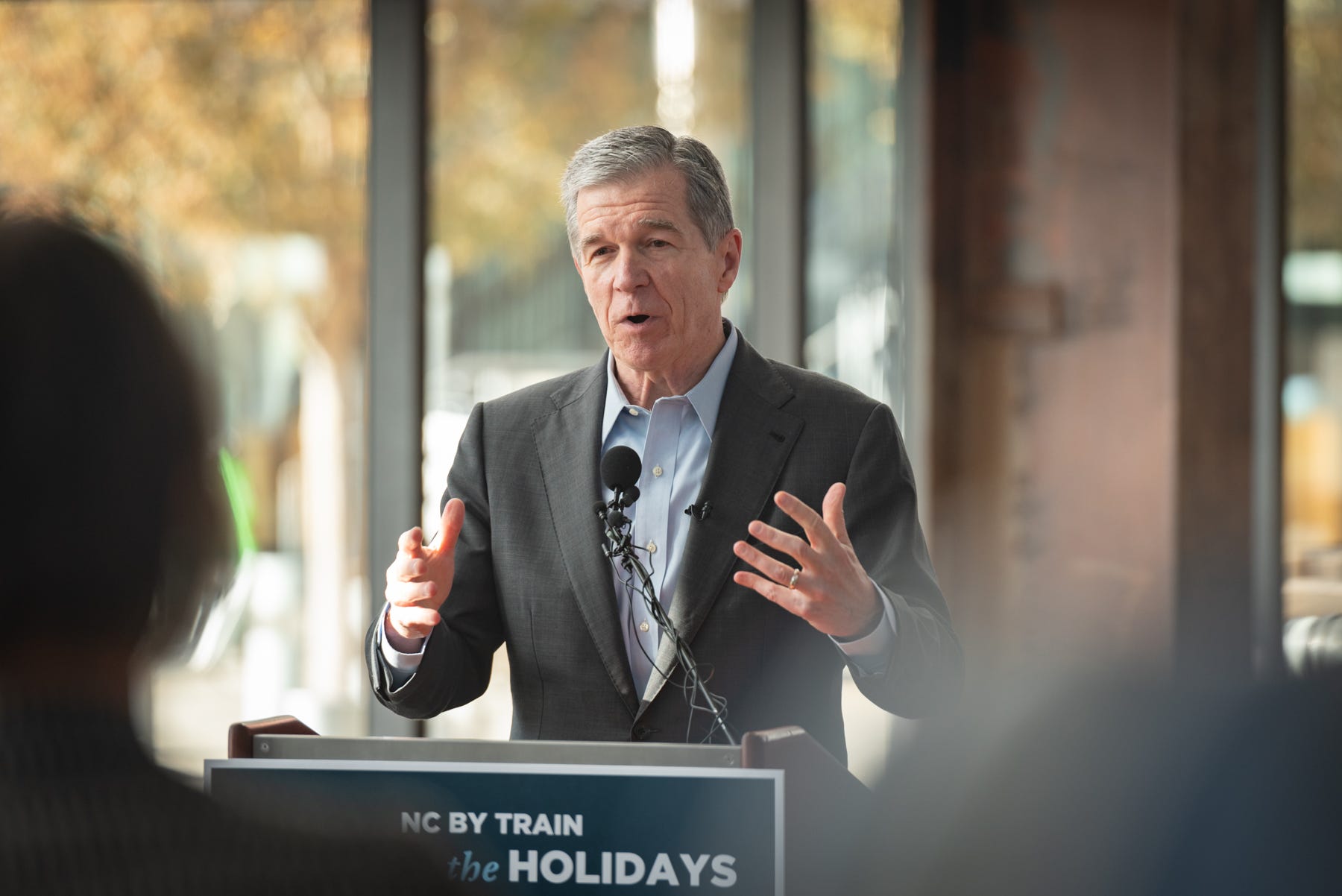
By virtue of being a two-term governor, Roy Cooper is somewhat easier to grade.
Cooper’s signature accomplishment was expanding Medicaid in 2023 with help from Republicans in the legislature. That extended health care coverage to more than 737,000 people living in North Carolina, according to the state’s Department of Health and Human Services.
Cooper also signed Executive Order 92, which prioritized making North Carolina an “Employment First” state, meaning it would prioritize people with disabilities entering the workforce and as the preferred choice. The order also pushed for “competitive integrated employment,” which is work performed in a setting integrated between disabled and non-disabled employees at a fair wage.
In 2018, Cooper also launched Linking North Carolina with Innovative Talent (LiNC-IT) with the North Carolina Business Committee for Education (NCBCE) to hire autistic employees. By 2023, it had hired 100 autistic employees.
Troy Jackson (D-Maine)

Alongside Cooper and Brown, Troy Jackson has the most extensive political record. He served in the Maine House of Representatives from 2002 to 2008 and the Maine Senate from 2008 to 2024, ascending all the way to Senate President. Jackson knocked off 30-year incumbent Sen. Susan Collins.
As Senate president, he ushered through the passage of legislation ending subminimum wage labor in Maine. Ironically, Gov. Janet Mills, whom Senate Minority Leader Chuck Schumer drafted to run for Senate but who suspended her campaign, signed the bill into law.
The Political Spectrum asked Jackson about passing something nationally.
“Anything to help working-class people out, I’m 100 percent interested in working on it,” he said.
Who to watch: Annie Andrews (D-S.C.) and Abdul El-Sayed (D-Mich.)

The two senators who are the most to-be-determined are the two doctors elected to the Senate: Dr. Abdul El-Sayed of Michigan and Annie Andrews of South Carolina.
On the campaign trail, El-Sayed talked about the fact that people with disabilities have to file lawsuits to protect their rights. A supporter for single-payer health care, he spoke about preventing disabilities through expanding health coverage. Lastly, during a questionnaire with the Michigan Education Association, he advocated for fully funding the Individuals with Disabilities Education Act. The federal government is supposed to shoulder 40 percent of the cost, but according to the Congressional Research Service, it only paid about 10.2 percent of the cost.
Andrews is a pediatrician who sharply criticized Health and Human Services Secretary Robert F. Kennedy Jr., who promotes the link between vaccines and autism. Many people have highlighted Andrews’s past X posts where she was much more unabashedly liberal. But in one post, she criticized Kennedy for offering poor solutions for autistic children. She also lambasted the Trump administration for gutting the Department of Education.


She is replacing Darline Graham Nordone, the little sister of the late Lindsey Graham who worked in vocational rehabilitation helping people with disabilities find work.
Writing hither and yonder: I write in The Assembly about how the Democrats who flipped seats in North Carolina don’t fit the typical profile of a winning candidate, and why that might help.
What I’m reading: Hannah Nathanson in The Washington Post about how the Trump administration fired government workers focused on DEI initiatives and then the Heritage Foundation put them on a blacklist. Danielle Paquette in The Washington Post on the Statue of Liberty tour guide who had enough. Albert Samaha in The New Yorker on French basketball players, including my GOAT Victor Wembanyama, taking over the NBA.
Your Bam Bam post:
Hey Bam Bam, they called it for ya! Happy days!